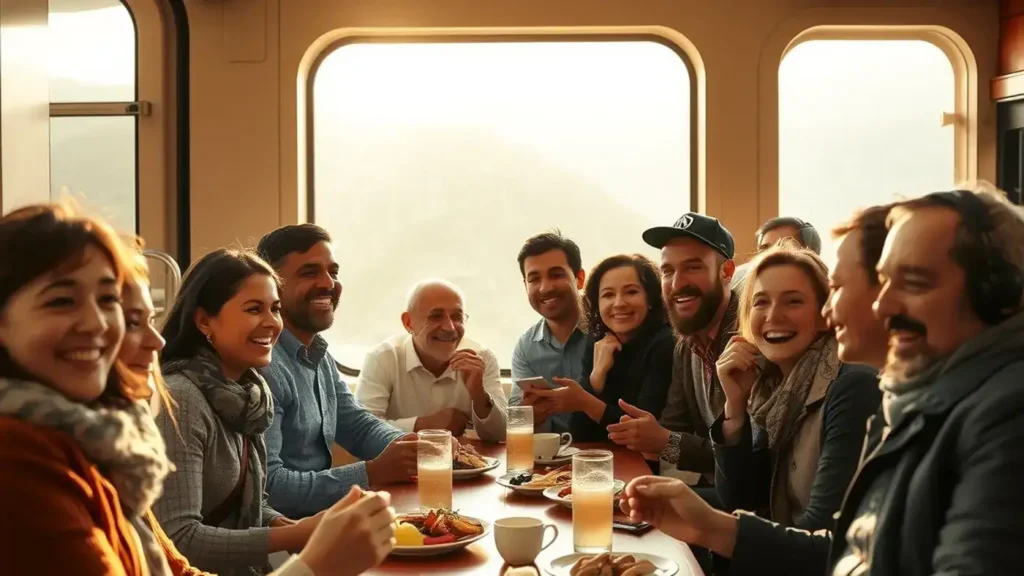



Long before anyone measured a stress hormone, Seneca warned a restless friend that a change of place cures nothing if the traveller carries his troubles with him unchanged. Two thousand years later, psychologists have reached a strikingly similar conclusion, and they have added something hopeful: travel, taken with a present and open mind, is one of the medicines with the fewest side effects that humankind knows.
Switching a tired machine off and on again
Modern life keeps the body in an almost constant cycle of stress. Deadlines, screens and routines pile up until we feel worn down without quite knowing why. A journey breaks that cycle. It draws us out of our habits and responsibilities and gives the mind a chance to start afresh.
Research shows that a holiday lowers cortisol, improves sleep and lifts the mood. In a 2018 study of managers in Austria, the effect of a trip could still be measured up to forty-five days after they came home.
What the research found
A prescription written in green
Doctors have begun to take this seriously. A meta-analysis at the University of East Anglia, drawing on data from more than 290 million people, linked time in green space with lower stress, lower blood pressure and less heart disease. In Canada, doctors now write “time in nature” on the prescription pad, and some patients receive an annual pass to the national parks. Japan has recommended forest bathing, shinrin-yoku, since 1982.


There is one condition. The benefit of an ordinary holiday tends to fade within two to four weeks of returning, unless the traveller was truly present on the road rather than simply running away. Seneca said exactly this two thousand years ago.
Wonder makes us larger, and kinder
Stand before a mountain range or an endless sea and you feel small. Psychologists call this feeling awe, and its effects are surprisingly generous: it eases self-centred worry, lowers stress, and leaves people calmer, more giving and more connected to others. Someone who has seen the greatness of the world is less easily trapped in the narrow room of his own small sorrows.

Travel also builds character. Studies find that time in other lands strengthens two traits, openness to experience and agreeableness. An unfamiliar language and an unknown route force us to solve problems, and every small victory adds to our confidence. Living inside another culture breaks what Montaigne called the sleep of habit, and creativity grows when the mind must look from new angles. Even in later life, older people who travel further keep sharper minds.
Why memories outlast possessions
Perhaps the deepest finding is the simplest. In a twenty-year study, Cornell psychologist Thomas Gilovich showed that money spent on experiences such as travel buys a more lasting happiness than money spent on things. Goods grow old and ordinary. The memory of a journey stays with us for life, and every time we call it up, it makes us happy again.
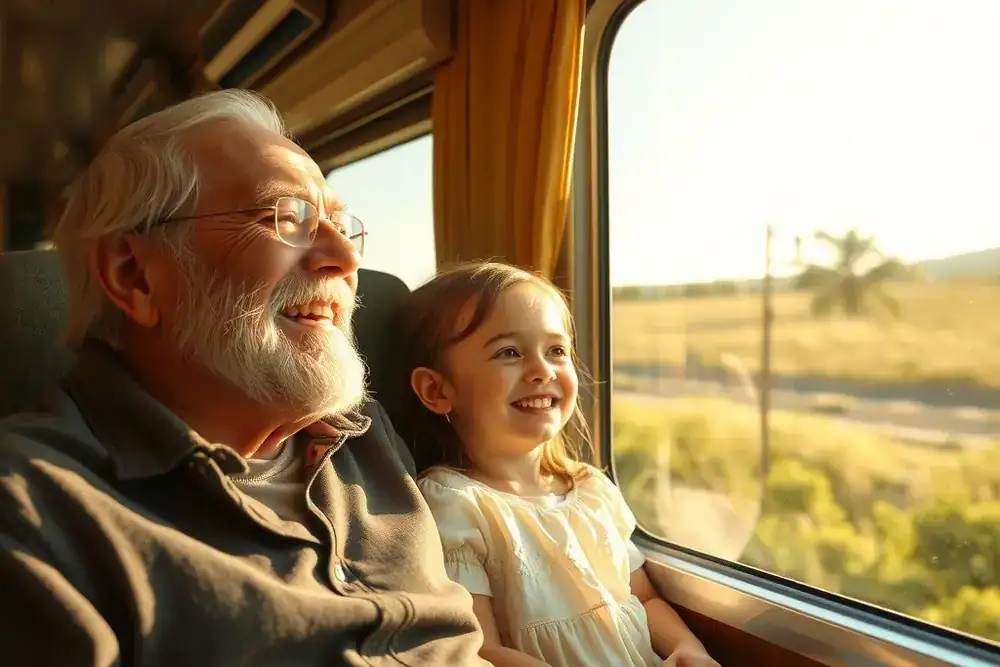
The quiet wound of seeing without going
Today, social media shows billions of people the glittering lives of the wealthy, lives they can see but never reach. Leon Festinger’s social comparison theory, first described in 1954, explains why this hurts: measuring ourselves against those “above” us breeds anxiety and frustration. A widespread sense of relative deprivation has been linked to depression, and across whole societies, to unrest.
If seeing the world without being able to go makes people ill, then the ability to go is part of the cure. When people can travel easily, the painful gap between what they see and what they have begins to close: envy gives way to participation, and frustration to hope.
Travel heals by its presence and wounds by its absence.The Global Rail Network · Part 1
This is why the possibility of travel must not remain the privilege of a few. It is the thought behind The Global Rail Network: a road on which a child from the remotest village can one day board a train, go out to meet the world, and come home wiser and kinder.
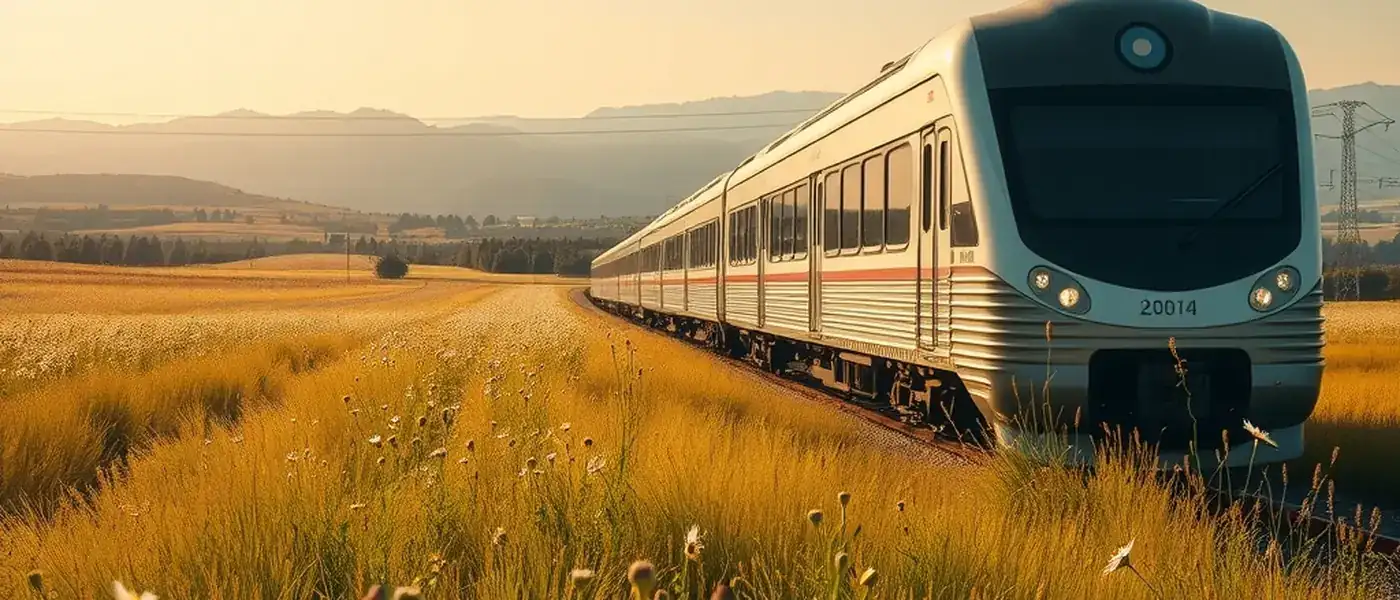
Travel can heal, but today only some people can take the journey.