Start the journey here. A journey to six continents and four sea crossings, on one road for all humanity.
About 216,084 km of track, joining six continents and more than 195 countries.
Muslim or not, friend or even rival: every person is a traveller on it.
Today, where a child is born decides almost everything: whether she sees a doctor, reaches a school, or ever meets the people beyond the mountains. The Global Rail Network would join six continents and more than 195 countries with one continuous railway, so that it no longer does.
“The place where he was born no longer decides his destiny.”
From the book, Part Three: The world in the year 2100


Civilisation grew by building roads. This network is the natural continuation of that path: we wish only to close the last links, so that one could board a train at the southern tip of the Americas and arrive in Australia or southern Africa without a ship or an aeroplane.
Footpaths that tied one village to the next, and made trade and kinship possible.
Caravans carrying silk, paper and ideas between China, Persia and the Mediterranean.
Steel rails crossing whole continents, from coast to coast and from Moscow to the Pacific.
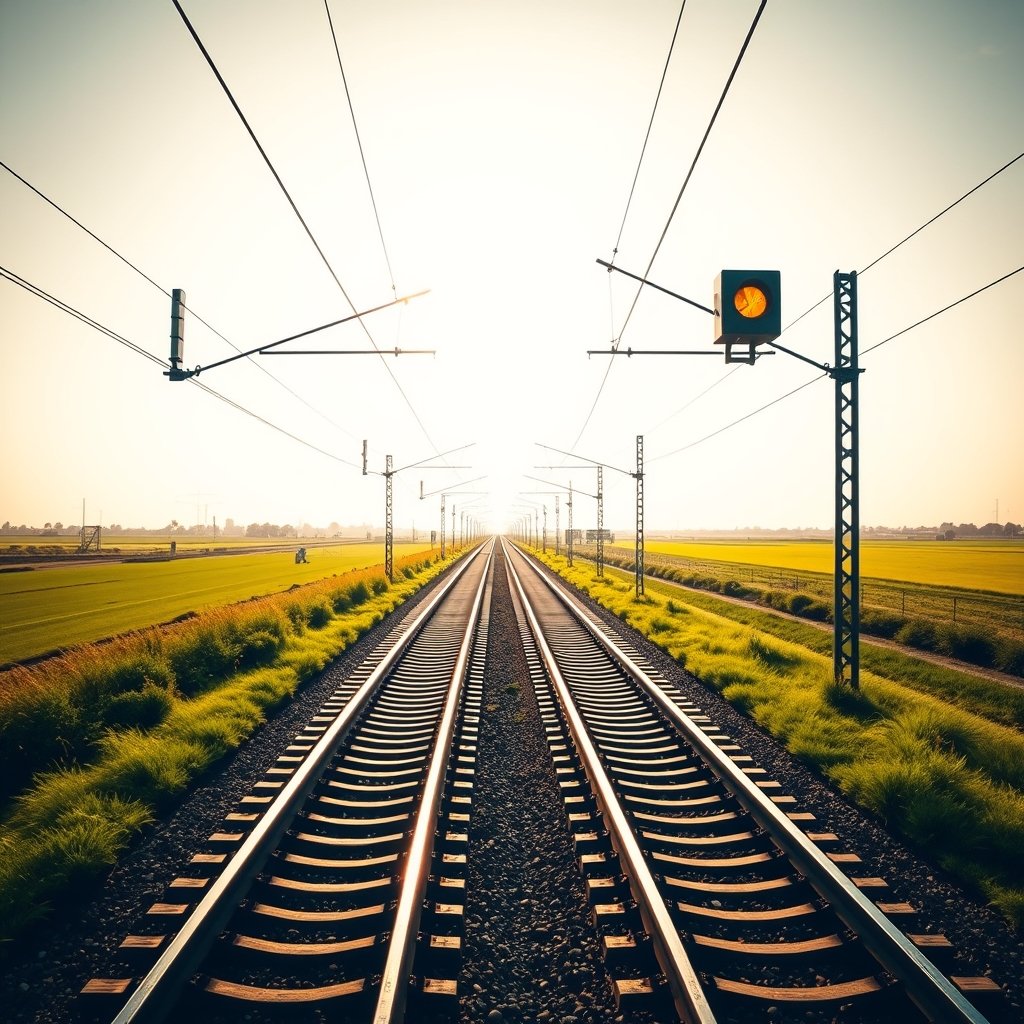
About 216,000 km of track and four sea crossings, joining every continent in one railway network.
“If this network were only steel and concrete and technology, it would not be worth a book.” What sets it apart from a great engineering project is the spirit it is built on: every nation joined without exception, cooperation in place of force, and human dignity in place of domination.
That spirit rests on the ethical principles of Islam: justice, transparency, shared prosperity and freedom from exploitation. And it is offered to every people on earth.
Each country, one vote.
A small country has the same voice as a superpower in the Global Rail Consortium (GRC), which governs the network. So the network can never become a tool of the strong over the weak.
A shield against corruption.
The accounts are open to inspection, the decisions are public, and an independent audit office watches over everything.
The money serves the people the network reaches.
Before any profit is divided, a share is set aside for the common good, and ownership stays spread across the people it serves.
Financing without usury.
Every sum is tied to real work or a real asset, and profit and risk are shared by all the parties.
We never prefer one people over another.
From the book, Part Four: The routes and the design of the networkThe arteries cross one another at several points, so the network is a net and not three separate lines. If one route is closed, another way remains open. Thirty-three branch lines carry them to every country.
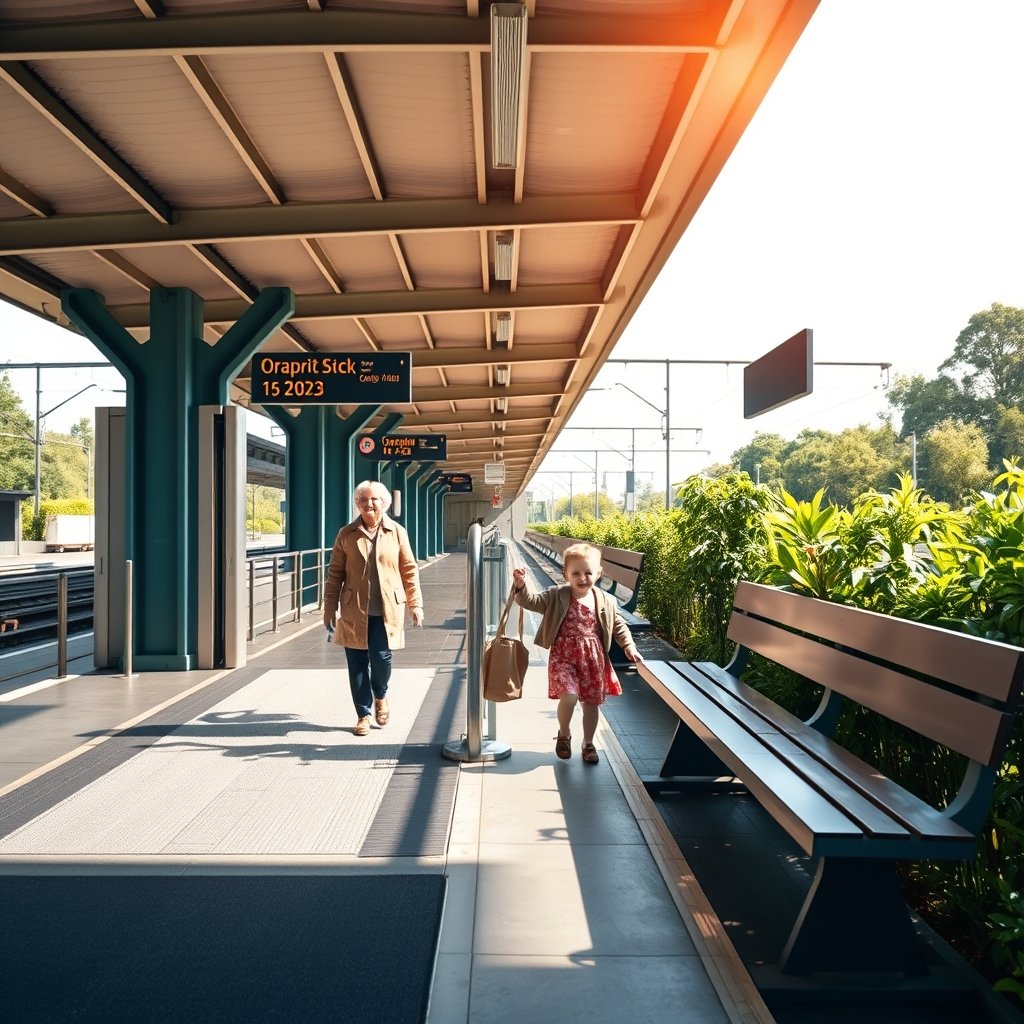
Eleven standards we believe every route on earth should meet, from a hospital every 500 km to one gauge for every track.
The concept paper
Twenty-five pages on how the network would be governed, financed and kept safe, written for governments, international organisations and investors.
PDF, 25 pages, 280 KB
The plan
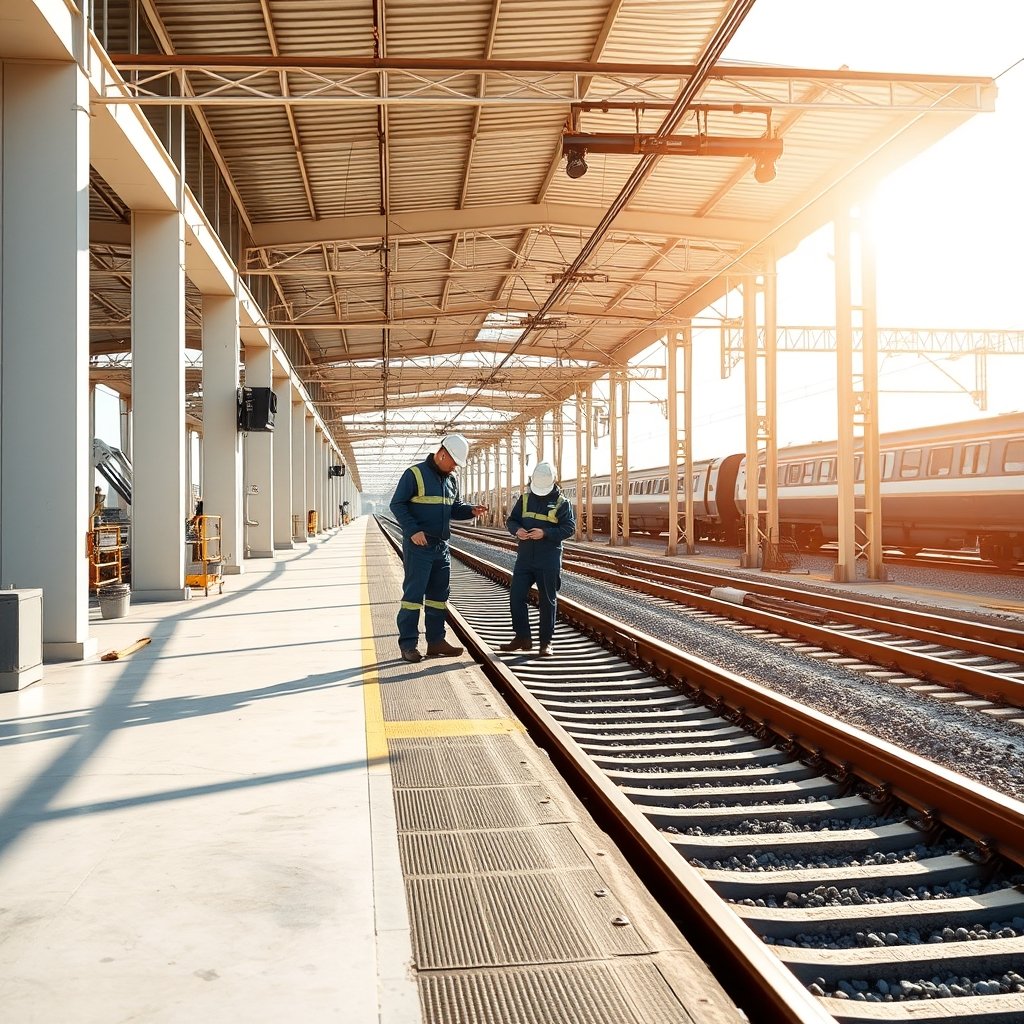
Each finished section starts earning on its own and helps pay for the next, so the network has no single point of failure.
A feasibility study, the founding of the Global Rail Consortium, environmental assessments, treaties, and the structure of Islamic finance.
The first corridors: the easiest to build, the quickest to pay back and the least contested.
The three arteries and the great sea crossings are finished. Branch lines to member countries begin.
Every branch line is finished. About 216,000 km of network in service.
Next-generation technology, new branch lines, and a network that carries wider global cooperation.
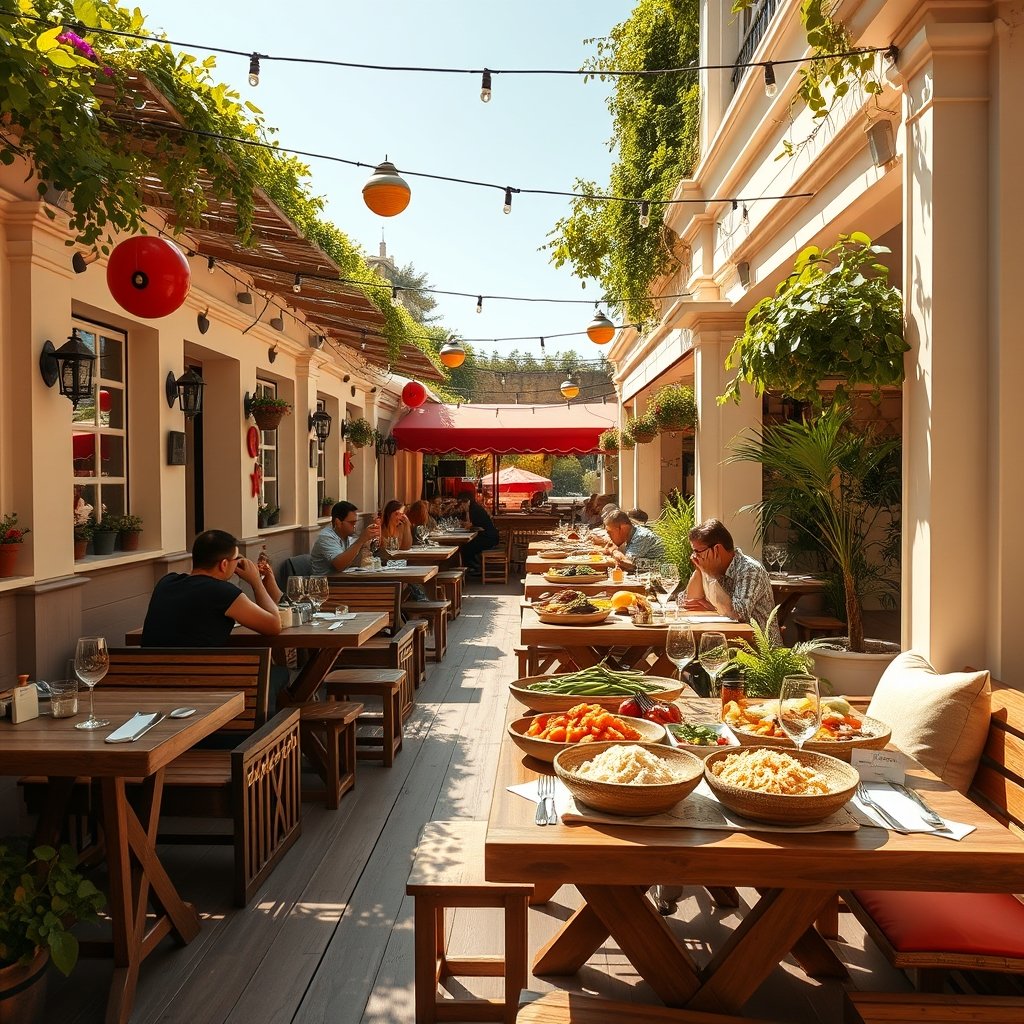
Travellers from many countries share one long table. The plan expects daily contact like this to lower cultural barriers.
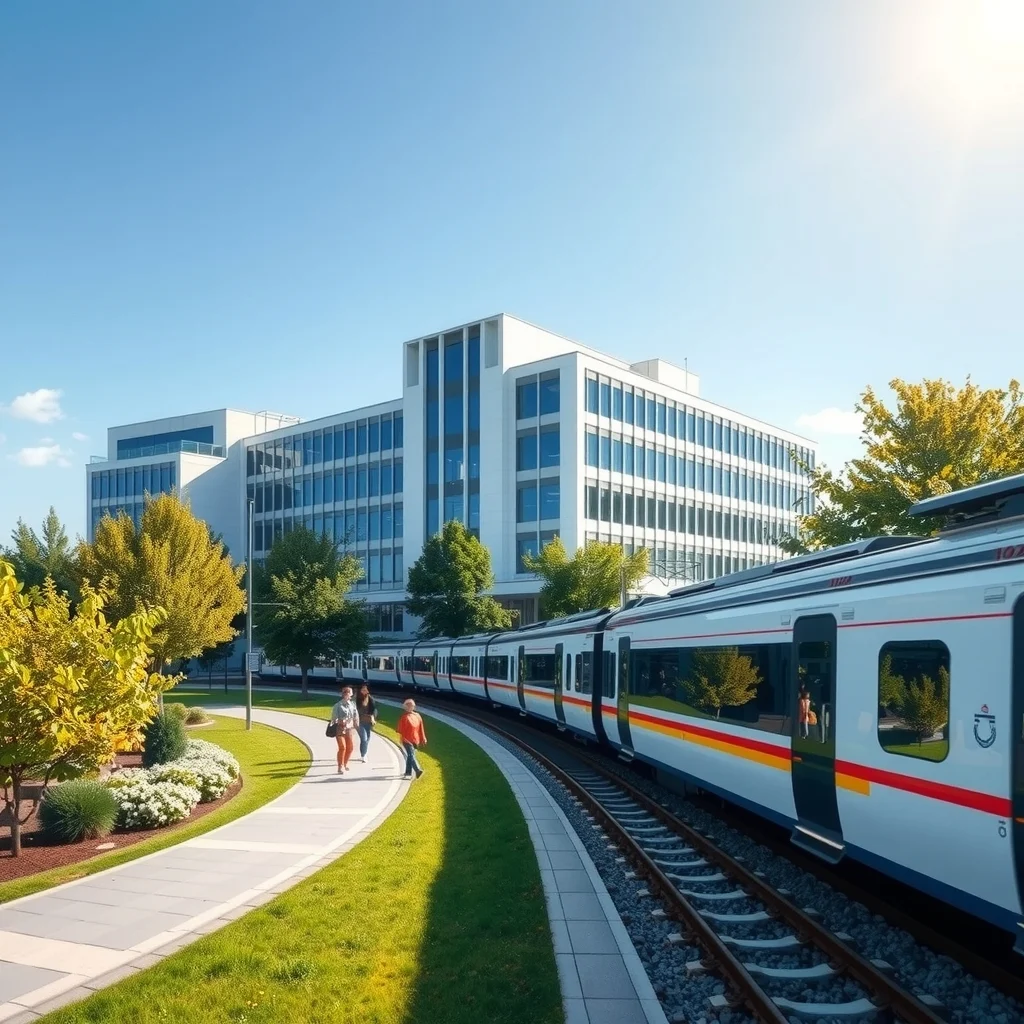
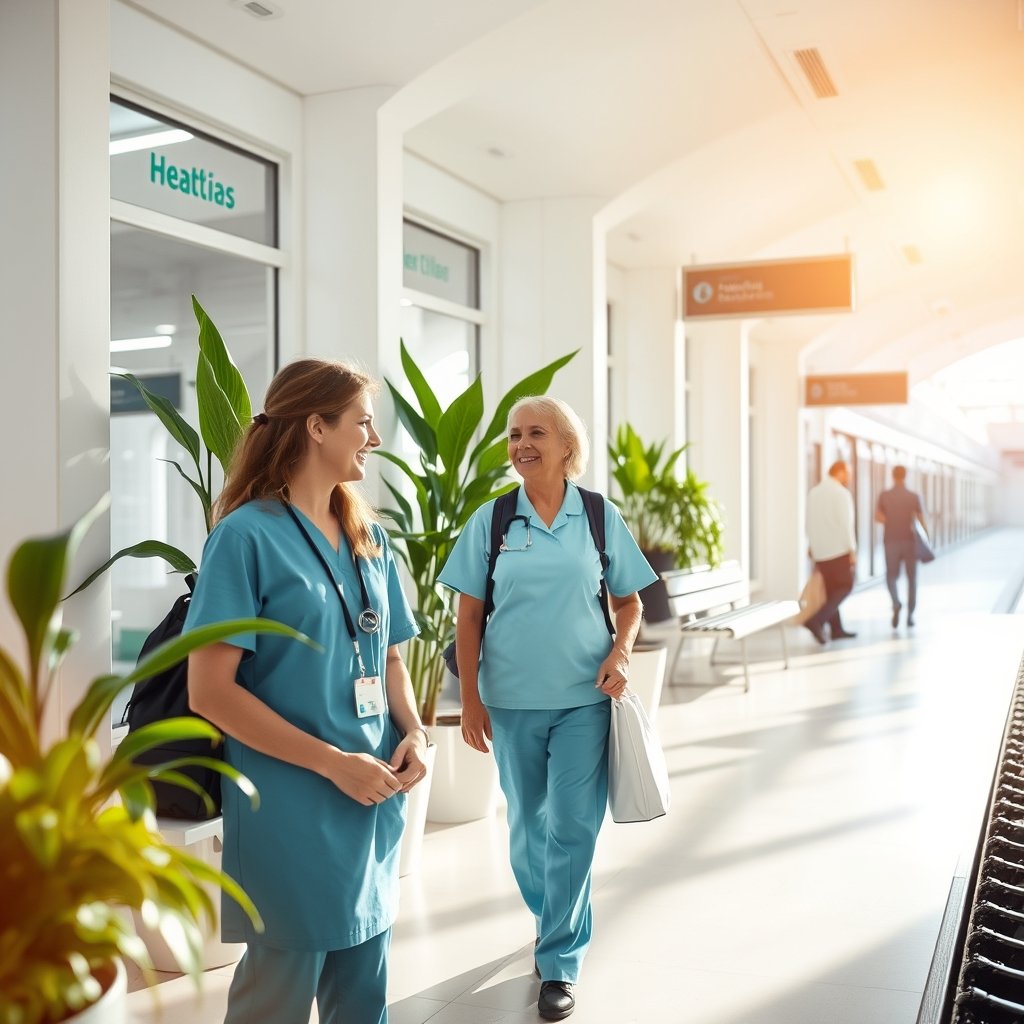
A class watches the terraces and the viaduct from the window. The plan aims to bring health, medical and education standards into line across continents.
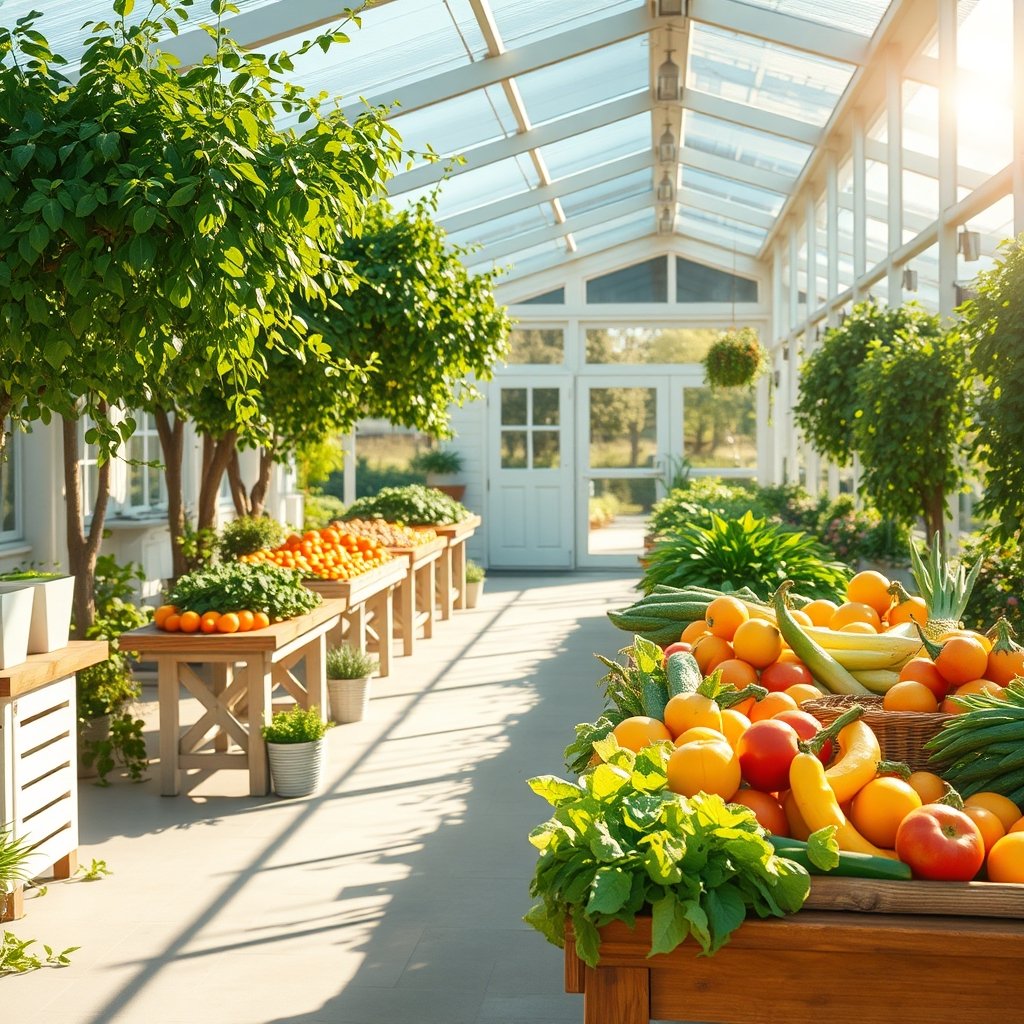
A market opens where the train stops. The network connects landlocked countries to world markets.
Images: GRN
Read online, chapter by chapter. Your browser remembers where you stopped, so you can continue reading from that point.
Continue reading
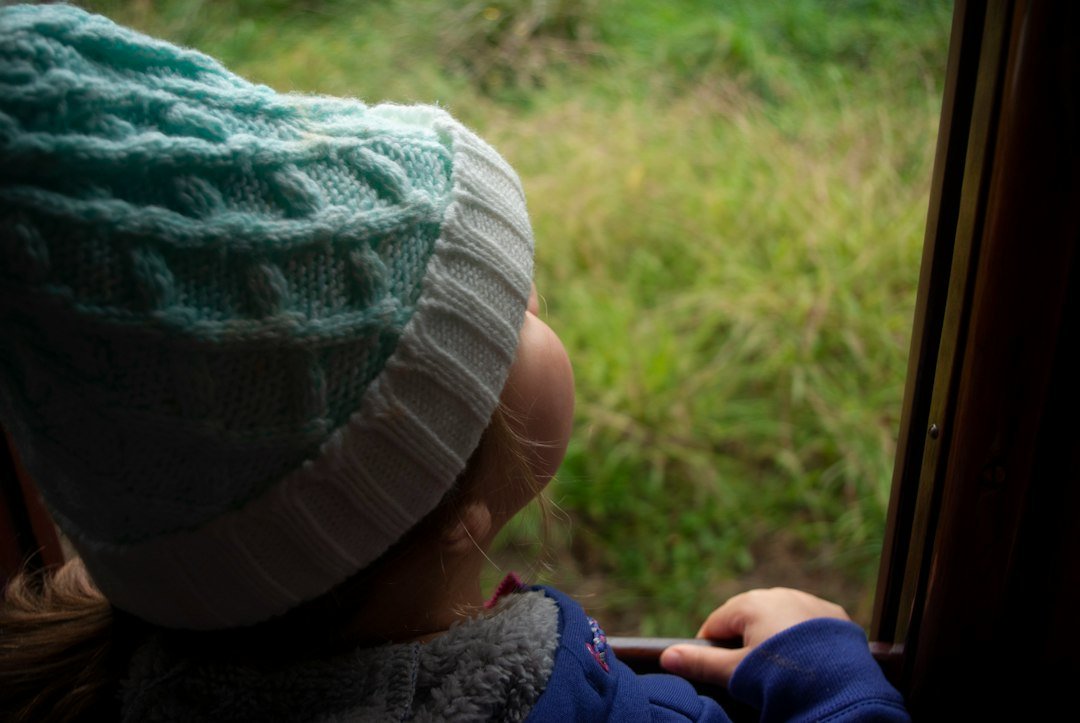
Photo: Kathy I / UnsplashIf a child born in the remotest village in the world could reach the city by a single train, could geography still determine that child’s fate?Before We Begin
The whole book, read aloud, chapter by chapter. Listen on the train, on a walk, in the kitchen or in the hour before sleep.
“If a day should come when no point upon this earth is far away…”
Short films, talks and tours of the route. The newest ones always appear here first.
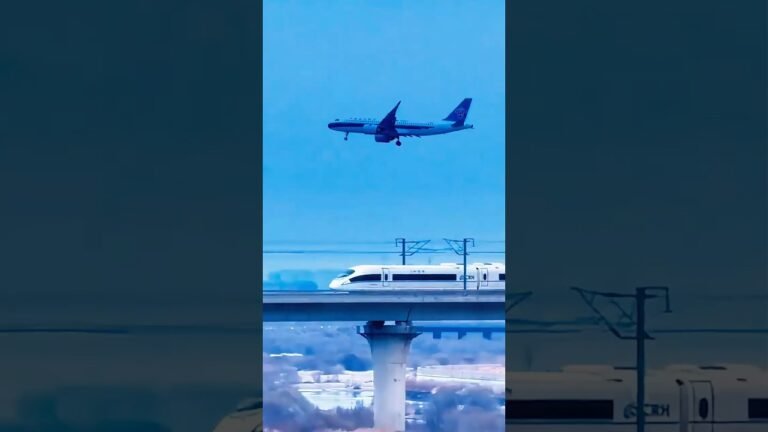
Engineering & RoutesNewA short clip of China’s 603 km/h maglev beside an aircraft.
GRNGRN TeamNov 2, 2026
Japan’s maglev line, built mostly in tunnels through the mountains.
Engineering & Routes · Nov 2
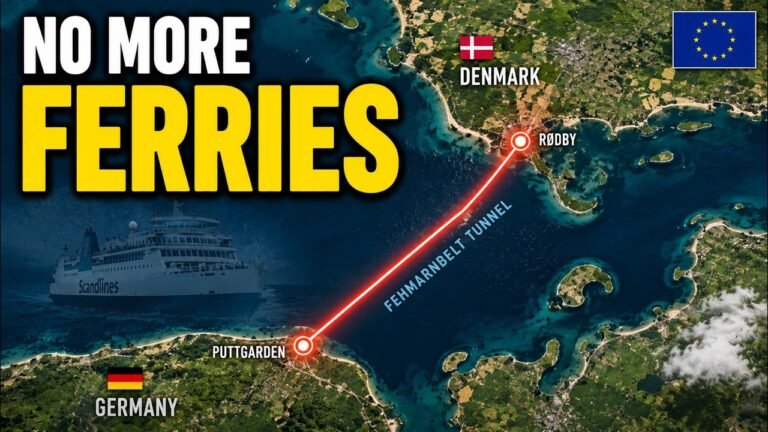
A new tunnel that will shorten journeys across Europe.
Engineering & Routes · Nov 2Browse all 36 videosSearch, categories and everything you started watchingNews from the project, Kianosh Rahmani’s blog, and the documents for decision-makers, all in one place.
LatestThe complete English edition is now free to read online, to listen to, and to download as a PDF.
Read more →
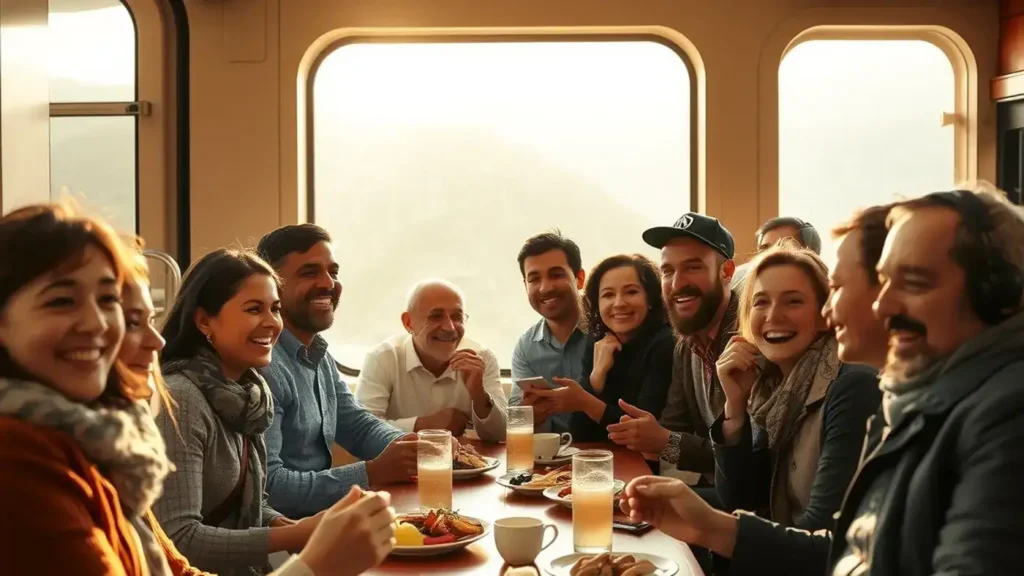
Peace & acquaintancePeople who do not know one another are easily afraid of one another. A road that lets people meet can work quietly for peace.
KRBy Kianosh Rahmani
Travel & the mindPhilosophers and prophets wrote about it, and psychology now measures it: a journey taken with an open mind does people good.
KRBy Kianosh RahmaniThe plan in brief and in depth, free to download and share.
All documents
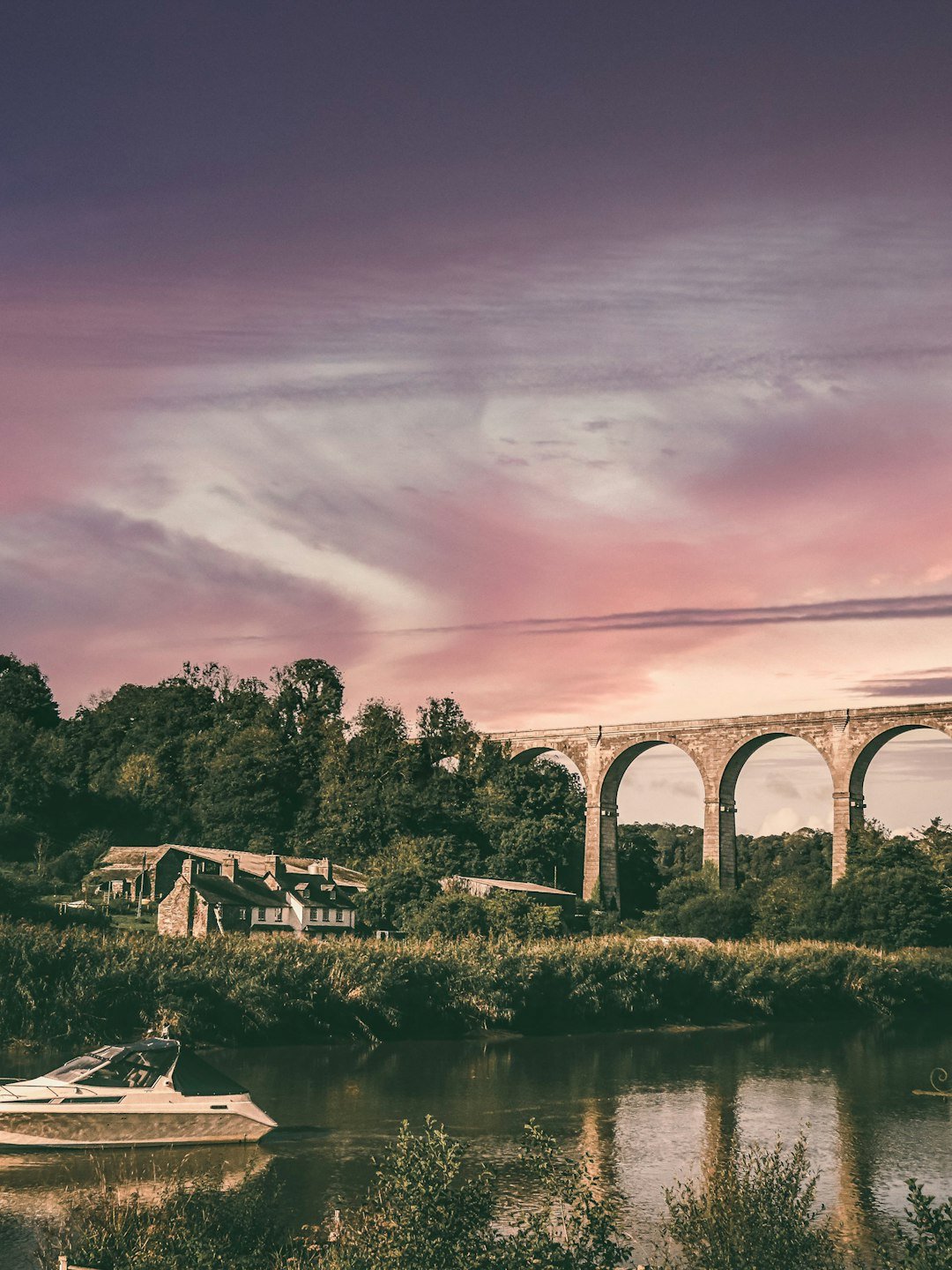
Photo: Jake Willett / Unsplash